November 12, 2026
The Distinction In Between Assisted Living and Competent Nursing
By @franciscoiftm346
Business Name: BeeHive Homes of Henderson
Address: 1000 Greenway Rd, Henderson, NV 89002
Phone: (702) 551-0265
BeeHive Homes of Henderson
At BeeHive Homes of Henderson, Nevada, we offer the finest assisted living and memory care experience available in a cozy, comfortable homelike setting. Each of our residents has their own spacious room with an ADA approved bathroom and shower. We prepare and serve delicious home-cooked meals three times a day every day. We maintain a small, friendly community of only 20 residents per home. We provide regular activities that our residents find fun and contribute to their health and well-being. Our staff is attentive and caring and provides assistance with daily activities to our residents in a loving and respectful manner. We would like to invite you to tour and experience our memory care & assisted living home and feel the difference.
1000 Greenway Rd, Henderson, NV 89002
Business Hours
Families normally start comparing care options at the exact same moment life obtains much more difficult. A parent misses out on medications, has an autumn, returns from the health center weak than in the past, or merely can not stay on top of dishes, showering, and the house any longer. That is when the search starts for senior care near me, and two terms come up again and again: assisted living and competent nursing.
The confusion is reasonable since both are senior living options, both can aid older grownups remain much safer, and both rest under the broader umbrella of senior care. Yet they are built for really various needs. The incorrect choice can indicate paying for even more care than a person demands, or, just as problematically, inadequate assistance for an individual whose wellness is transforming fast.
The distinction issues since it forms the pace of the day, the degree of clinical oversight, the cost, and also the type of dignity an individual can maintain. One setting is made for support with every day life. The other is made for clinical healing and heavy hands-on care. That difference sounds straightforward theoretically, but in the real world it gets blurred by marketing language and by the natural hope that a loved one will "boost sufficient" to fit somewhere less extensive. Occasionally that happens. Sometimes it does not.
What assisted living is truly for
Assisted living is indicated for older adults that need assist with everyday jobs but do not require round-the-clock nursing. Residents in assisted living usually can get around by themselves or with some assistance, and they do not need consistent medical supervision. What they do require is dependable support with the activities that come to be harder with age.
That commonly includes assist with bathing, dressing, grooming, medicine reminders, dishes, housekeeping, transportation, and possibly a little supervision to prevent missed visits or dangerous circumstances. For lots of families, assisted living offers a balance that is tough to replicate in your home. It maintains privacy and autonomy while lowering the problem of daily duties and safety concerns.
A great assisted living neighborhood feels residential, not scientific. Meals are served in dining-room, there may be social activities, and homeowners often have exclusive or semi-private homes. The objective is to keep life as typical as feasible, with simply sufficient assistance to stop the small failings from accumulating into major risks.
I have actually seen households postpone this step since they assume it means "quiting independence." In technique, it frequently does the contrary. A person who is investing most of the day alone, eating off-and-on, missing medicines, and worrying about the staircases in your home is not living separately in any kind of purposeful sense. Assisted living can bring back structure and confidence.
What proficient nursing is constructed to do
Skilled nursing is a higher degree of care. It is designed for people who need medical focus and hands-on nursing assistance everyday, in some cases numerous times a day. This is the establishing individuals frequently require after a hospitalization, a significant surgery, a stroke, a severe loss, a challenging infection, or an unexpected decrease in function.
Unlike assisted living, knowledgeable nursing is staffed by qualified nurses around the clock, with care strategies that entail direct professional oversight. Locals might require wound care, shots, tube feeding, oxygen monitoring, IV therapy, rehab solutions, or help with nearly all activities of daily living. Some homeowners remain just short term while they recoup. Others need longer keeps due to the fact that their medical demands are chronic and substantial.
Skilled nursing additionally tends to have a more medical rhythm. There are medication passes, therapy timetables, medical professional oversight, charting, skin checks, and frequent assessments. A person that is medically delicate might be more secure there than anywhere else, especially if they are not stable sufficient for a residential environment.
The difference is not simply staffing. It is the objective of the setup. Skilled nursing exists to treat, keep track of, and support. Assisted living exists to support, simplify, and protect independence.
The clearest distinctions, side by side
People usually ask for a straightforward method to contrast the two, and there is one, though the real world is always messier than a graph. Still, these are the primary splitting lines:
|Area|Assisted Living|Knowledgeable Nursing||-- |-- |--|| Key function|Support with day-to-day living|Healthcare and rehabilitation|| Staffing|Caregivers and some nursing oversight|Accredited nurses 24/7, plus professional team|| Medical requires|Light to moderate, generally stable|Complicated, constant, or transforming clinical demands|| Daily assistance|Bathing, dressing, meals, pointers|Substantial personal care plus proficient treatments|| Setting|Residential, social, home-like|A lot more professional, recovery-focused|| Length of keep|Often long-term|Frequently short term, occasionally long term|| Expense pattern|Usually lower than skilled nursing|Typically greater due to medical intensity|
Even with a table similar to this, there are grey locations. Some assisted living neighborhoods have memory care areas or improved care alternatives. Some skilled nursing facilities provide short-term rehabilitation that looks temporary on paper but can extend for weeks or months. The labels matter, but the person's real requirements matter more.
How to inform which level of care fits
The appropriate selection typically boils down to operate, not age. Two individuals may coincide age and need very different assistance. One is golf two times a week and only needs aid organizing medicines. One more needs help transferring from bed to chair and has numerous chronic problems that need close monitoring.
A practical method to consider it is this: assisted living is frequently appropriate when the individual requires assistance living everyday, however not continuous clinical intervention. Knowledgeable nursing ends up being required when the individual's health and wellness needs active nursing care, competent surveillance, or rehabilitation that can not be securely taken care of in a residential setting.
There are a couple of patterns that normally aim towards assisted living. A person might forget medicines, have trouble preparing meals, really feel separated living alone, require assistance bathing, or struggle with stairways and jobs. They may still appreciate discussion, activities, and some self-reliance, yet the logistics of home life have become unmanageable.
Skilled nursing is usually the far better fit when the individual is medically unstable or literally dependent in a way that needs licensed nursing care. That includes circumstances like frequent drops connected to major weakness, facility injury care, dementia with habits that require close guidance, current hospitalization with slow-moving recuperation, or problems that require daily clinical assessment.
Families typically attempt to make the decision based on what really feels psychologically easier. That is understandable, but it is not always safe. If someone requires proficient nursing and lands in assisted living, personnel may have the ability to do just so much before the household is back in crisis. If somebody just needs assisted living yet goes into proficient nursing, the individual may shed privacy, invest more cash than required, and really feel institutionalised for no good reason.
Cost, insurance coverage, and the part households underestimate
Money enters the picture promptly, and it should. Senior care is pricey, and the rates distinctions between assisted living and proficient nursing can be significant.
Assisted living is usually paid of pocket, at the very least in part. Some households use a mix of personal savings, retirement revenue, long term care insurance policy, or the sale of a home. The month-to-month charge typically covers real estate, meals, fundamental individual care, activities, and some supervision, however not intensive medical treatment.
Skilled nursing is various. Because it is medical in nature, there may be a lot more insurance policy coverage in particular situations, particularly for short-term rehabilitation after a qualifying medical facility keep, depending on the individual's insurance coverage and professional qualification. Long-lasting keeps are a various issue and can become extremely pricey. The billing structure is extra challenging, and family members in some cases obtain surprised by what is covered and what is not.
This is one factor people searching for assisted living near me must ask very specific inquiries, not nearly rental fee and meals, but concerning what takes place if a resident starts requiring even more help. Some areas can raise solutions slowly. Others will not be able to fulfill demands that have crossed right into competent area. It is much better to ask prior to a crisis than after the discharge planner is calling on a Friday afternoon.
The emotional distinction is genuine, too
People discuss care levels as if they are simply professional decisions, but the emotional experience matters a lot. Assisted living usually seems like a move into a new area with support close by. Residents might still enhance their very own area, pick their dishes, join activities, and form regimens that really feel familiar.
Skilled nursing can feel a lot more severe, since it typically gets here after a wellness situation. That alone alters the mood. Individuals might be weak, frightened, or momentarily dependent in methods they were not previously. Families in some cases explain experienced nursing as a location of recuperation and alertness. Also when the staff is exceptional, the feeling is a lot more hospital-like than home-like.
That does not mean competent nursing is chilly or that assisted living is constantly warm and comfortable. I have seen attractive assisted living communities with sparse involvement and I have actually seen skilled nursing facilities with deeply compassionate groups. Still, the framework of each setting shapes the experience. Assisted living generally attempts to maintain lifestyle. Proficient nursing generally focuses on safety and medical management.
A few real-world examples
A widow in her late eighties may be living alone, forgetting to take her pills, and staying clear of cooking since the range feels unsafe. She is still social, still appreciates reading, and still wishes to make her very own options. Assisted living might fit her well.
A guy recuperating from a hip fracture may require aid getting in and out of bed, physical treatment numerous times a week, pain management, and nursing oversight for an injury. He might start in experienced nursing for rehab, after that relocate to assisted living later if he recoups enough to need less support.

A lady with innovative heart failure that needs regular weight checks, medicine changes, oxygen, and close surveillance may need knowledgeable nursing because her problem can transform promptly. A residential setting can miss essential warning signs.
A person with early dementia who just requires reminders, framework, and guidance might do well in assisted living. An individual with dementia that is wandering, incontinent, and incapable to identify basic safety threats might need a much more safe and clinically included setting, relying on the specifics.
These situations are not abstract. They are the type of choices households encounter after a healthcare facility remain, during a decrease in your home, or when a caregiver is simply worn out.
Questions worth asking when visiting communities
When you begin contrasting senior living alternatives, the advertising and marketing products just inform part respite care beehivehomes.com of the tale. Tour the place, talk to personnel, and ask functional concerns that reveal what daily life is truly like.
Here are a few inquiries that help separate both levels of care in a meaningful method:
- What degree of help do citizens typically receive with showering, dressing, and medications?
- Is taking care of staff on site all the time, and if so, what can they handle?
- What takes place if a resident's problem gets worse after move-in?
- Can the neighborhood support memory problems, mobility troubles, or chronic illness?
- How frequently are care plans reviewed and updated?
Those discussions tell you more than a shiny sales brochure ever before will. They also help family members avoid the usual error of assuming every senior living community can provide the exact same level of support.
Respite care can be component of the decision
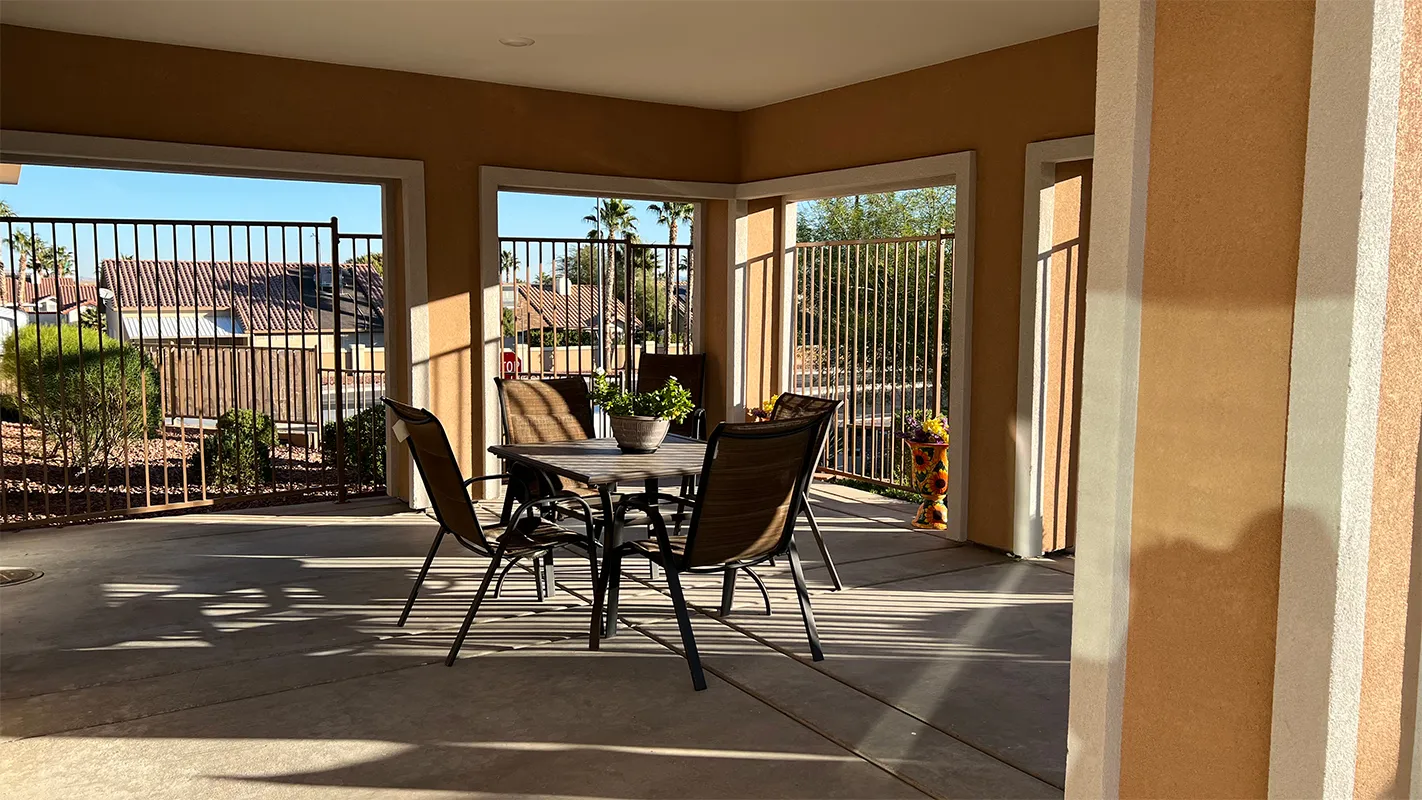
Respite care deserves pointing out due to the fact that it commonly gives family members a low-risk method to test a setup before making a long-term relocation. If you are unclear whether a loved one needs assisted living or competent nursing, a brief respite keep can make clear a great deal. An individual who is anxious at home however resolves in well with dishes, assistance, and routine may be a strong assisted living candidate. A person that rapidly shows signs of needing much more scientific assistance might require a competent nursing plan instead.
Respite care also provides household caregivers a breather. That matters greater than people admit. Caregiving tiredness can shadow judgment. When somebody is tired, every alternative looks either too much or otherwise enough. A short stay can develop room for clearer reasoning and far better planning.
The change from one level to another
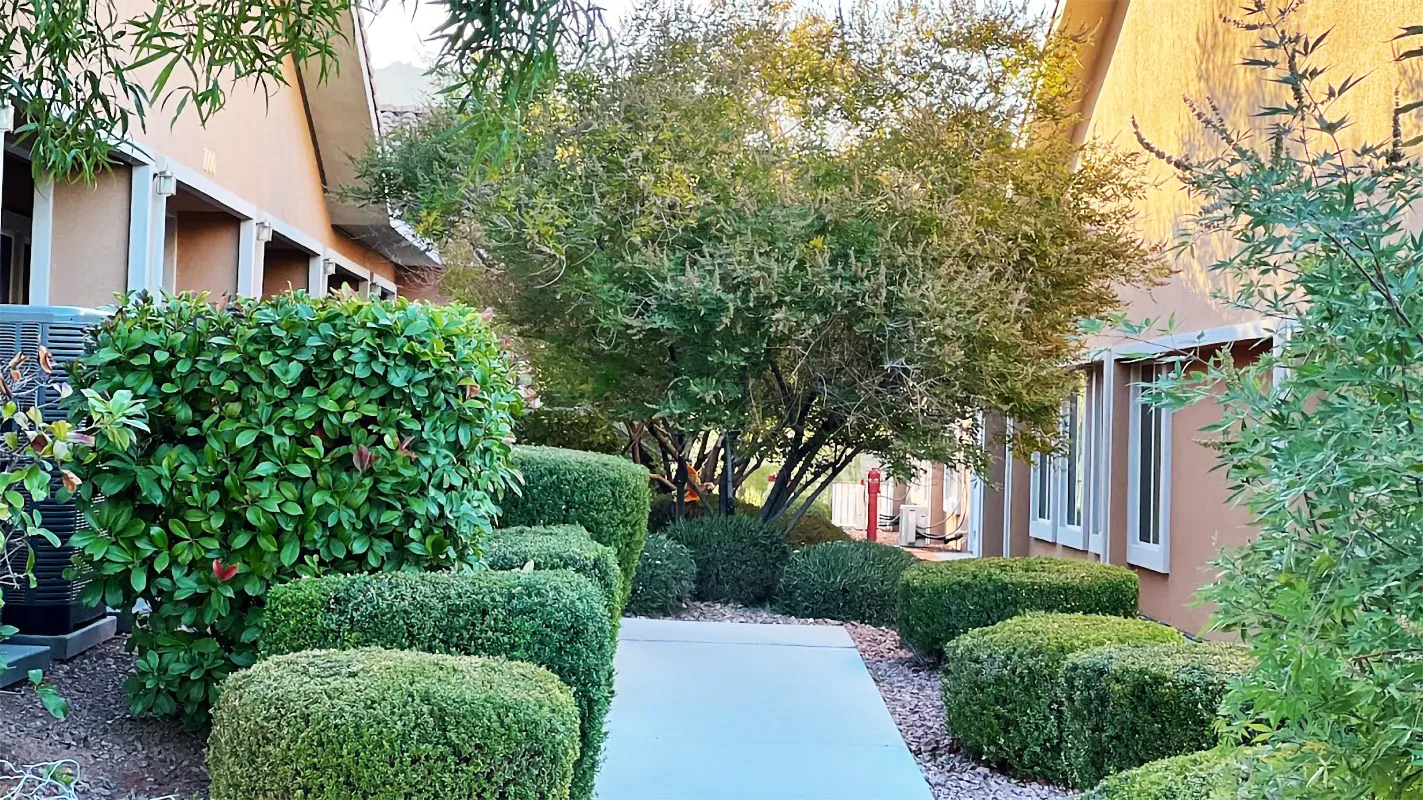
One of the hardest parts of senior care is approving that needs can transform. A person might enter assisted living and later demand experienced nursing after an autumn, a stroke, or a steep decline. That does not mean the original move was incorrect. It indicates the care strategy has to progress with the person.
The most helpful areas are sincere concerning this from the get go. They do not assure that setup will fix every problem for life. They clarify what they can handle now and what would activate a various degree of care later.
Families need to additionally recognize that relocating from knowledgeable nursing back to assisted living is sometimes possible, particularly after healing. I have actually seen individuals improve sufficient after rehabilitation to return to a much less intensive atmosphere with less services. That type of change is motivating, but it depends upon real feature, not hopeful thinking.
What matters most when making the decision
The finest choice is the one that matches the individual's real demands, not the one that appears nicest. Assisted living provides a supportive, residential setting for individuals that need aid with the fundamentals of day-to-day live. Competent nursing provides treatment, rehab, and close oversight for people with significant or transforming health and wellness needs.
If you are comparing senior care choices, focus on where the individual is now, not where you hope they will be in 6 months. Take a look at movement, cognition, medicine complexity, current medical facility remains, continence, fall danger, and just how much aid is required to make it through a typical day. That analysis is more useful than age alone, and better than a vague pledge that "they appear alright for now."
Families typically begin with a search for senior care near me and wind up learning that the genuine inquiry is not distance. It is fit. The ideal setup must make every day life more secure, calmer, and extra manageable, while maintaining as much dignity and self-reliance as feasible. For some people that indicates assisted living. For others it indicates proficient nursing. And for numerous households, the most intelligent course is to be honest regarding the distinction prior to a situation requires the answer.
BeeHive Homes of Henderson provides assisted living care
BeeHive Homes of Henderson provides memory care services
BeeHive Homes of Henderson provides respite care services
BeeHive Homes of Henderson supports assistance with bathing and grooming
BeeHive Homes of Henderson offers private bedrooms with private bathrooms
BeeHive Homes of Henderson provides medication monitoring and documentation
BeeHive Homes of Henderson serves dietitian-approved meals
BeeHive Homes of Henderson provides housekeeping services
BeeHive Homes of Henderson provides laundry services
BeeHive Homes of Henderson offers community dining and social engagement activities
BeeHive Homes of Henderson features life enrichment activities
BeeHive Homes of Henderson supports personal care assistance during meals and daily routines
BeeHive Homes of Henderson promotes frequent physical and mental exercise opportunities
BeeHive Homes of Henderson provides a home-like residential environment
BeeHive Homes of Henderson creates customized care plans as residents’ needs change
BeeHive Homes of Henderson assesses individual resident care needs
BeeHive Homes of Henderson accepts private pay and long-term care insurance
BeeHive Homes of Henderson assists qualified veterans with Aid and Attendance benefits
BeeHive Homes of Henderson encourages meaningful resident-to-staff relationships
BeeHive Homes of Henderson delivers compassionate, attentive senior care focused on dignity and comfort
BeeHive Homes of Henderson has a phone number of (702) 551-0265
BeeHive Homes of Henderson has an address of 1000 Greenway Rd, Henderson, NV 89002
BeeHive Homes of Henderson has a website https://beehivehomes.com/locations/henderson/
BeeHive Homes of Henderson has Google Maps listing https://maps.app.goo.gl/qpZ3TKgbxCu1MVSh8
BeeHive Homes of Henderson has Instagram page https://www.instagram.com/beehivehomeshenderson/
BeeHive Homes of Henderson has an YouTube page https://www.youtube.com/@hamiltonshives4468
BeeHive Homes of Henderson won Top Assisted Living Homes 2025
BeeHive Homes of Henderson earned Best Customer Service Award 2024
BeeHive Homes of Henderson placed 1st for Senior Living Communities 2025
People Also Ask about BeeHive Homes of Henderson
What is BeeHive Homes of Henderson Living monthly room rate?
Our base rate is $4,700 per month for assisted living and $5,700 per month for memory care plus a one-time community fee of $2,500. We do an assessment of each resident's needs prior to move-in, so each resident's rate may be higher. These prices fall into three tiers based on resident needs and range from $4,700/month to $7,300/month. However, after we do the assessment and quote a price, there are no add-ons or hidden fees
Does Medicare and Medicaid pay for a stay at Bee Hive Homes?
Medicare pays for hospital and nursing home stays, but does not pay for assisted living. Some assisted living facilities are Medicaid providers but we are not. We do accept private pay, long-term care insurance, and we can assist qualified Veterans with approval for the Aid and Attendance program
Do we have a nurse on staff?
We do have a nurse on contract who is available as a resource to our staff but our residents' needs do not require a nurse on-site. We always have trained caregivers in the home and awake around the clock
What can you tell me about the food at Bee Hive?
You have to smell it and taste it to believe it! We use dietitian-approved meals with alternates available for flexibility, and we can accommodate needs for different textures and therapeutic diets. We have found that most physicians are happy to relax diet restrictions without any negative effect on our residents
Do we allow pets?
We do allow small pets as long as the resident is able to care for them. State regulations also require that we have evidence of current immunizations for any required shots
Where is BeeHive Homes of Henderson located?
BeeHive Homes of Henderson is conveniently located at 1000 Greenway Rd, Henderson, NV 89002. You can easily find directions on Google Maps or call at (702) 551-0265 Monday through Sunday 9:00am to 5:00pm
How can I contact BeeHive Homes of Henderson?
You can contact BeeHive Homes of Henderson by phone at: (702) 551-0265, visit their website at https://beehivehomes.com/locations/henderson/ or connect on social media via Instagram or Facebook
You might take a short drive to the Shan-Gri-La Prehistoric Park (aka the Dinosaur House). Shan Gri La Prehistoric Park provides a unique local attraction where families supporting loved ones through Assisted living memory care senior care elderly care and respite care can enjoy a memorable outing together.
❧